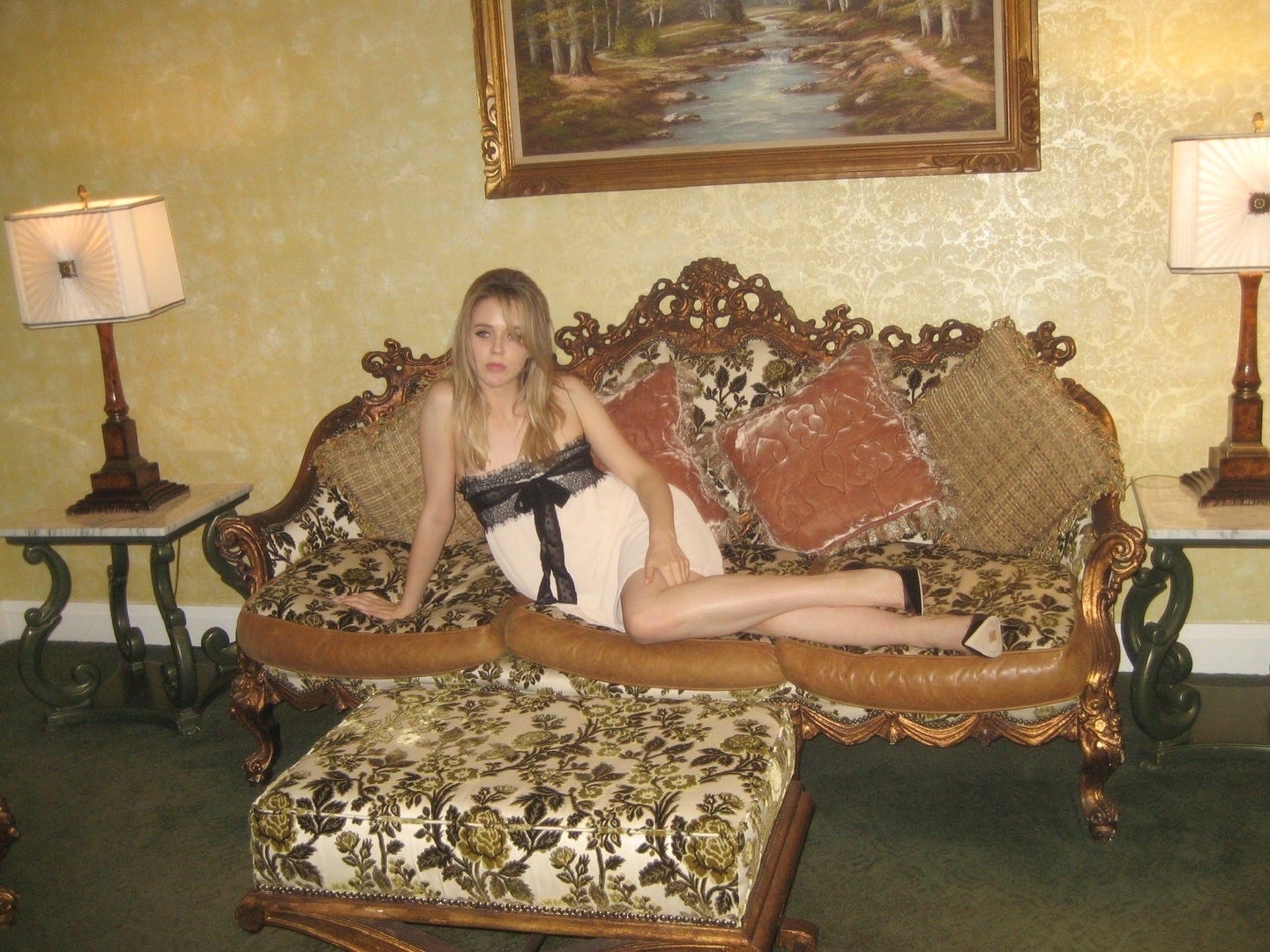
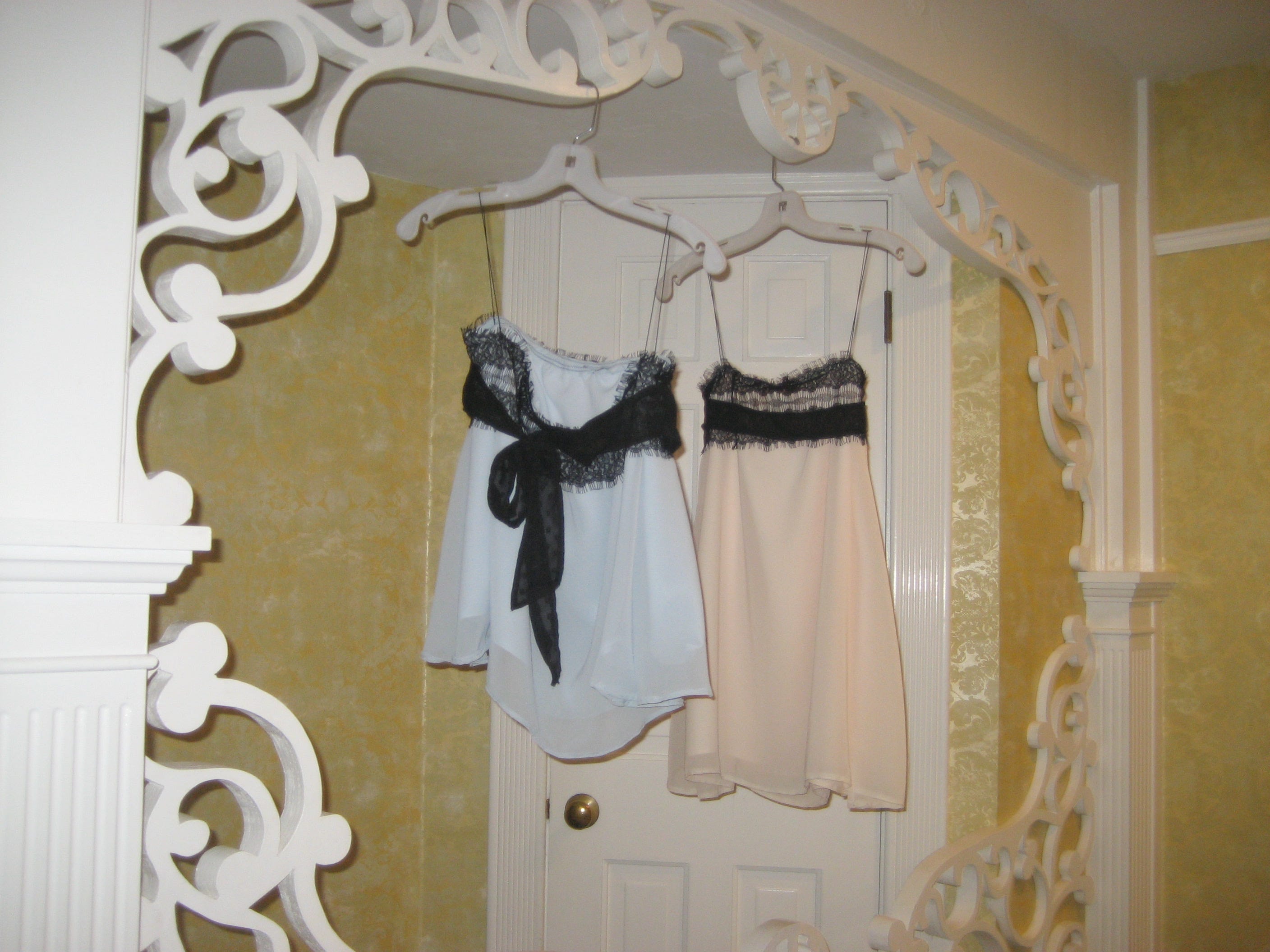
When we think of the modern babydoll dress, Olivia Rodrigo and Sabrina carpenter first come to mind, women embracing hyper femininity in front of an audience eager to dissect, criticize, and project assumptions onto their identity and values.
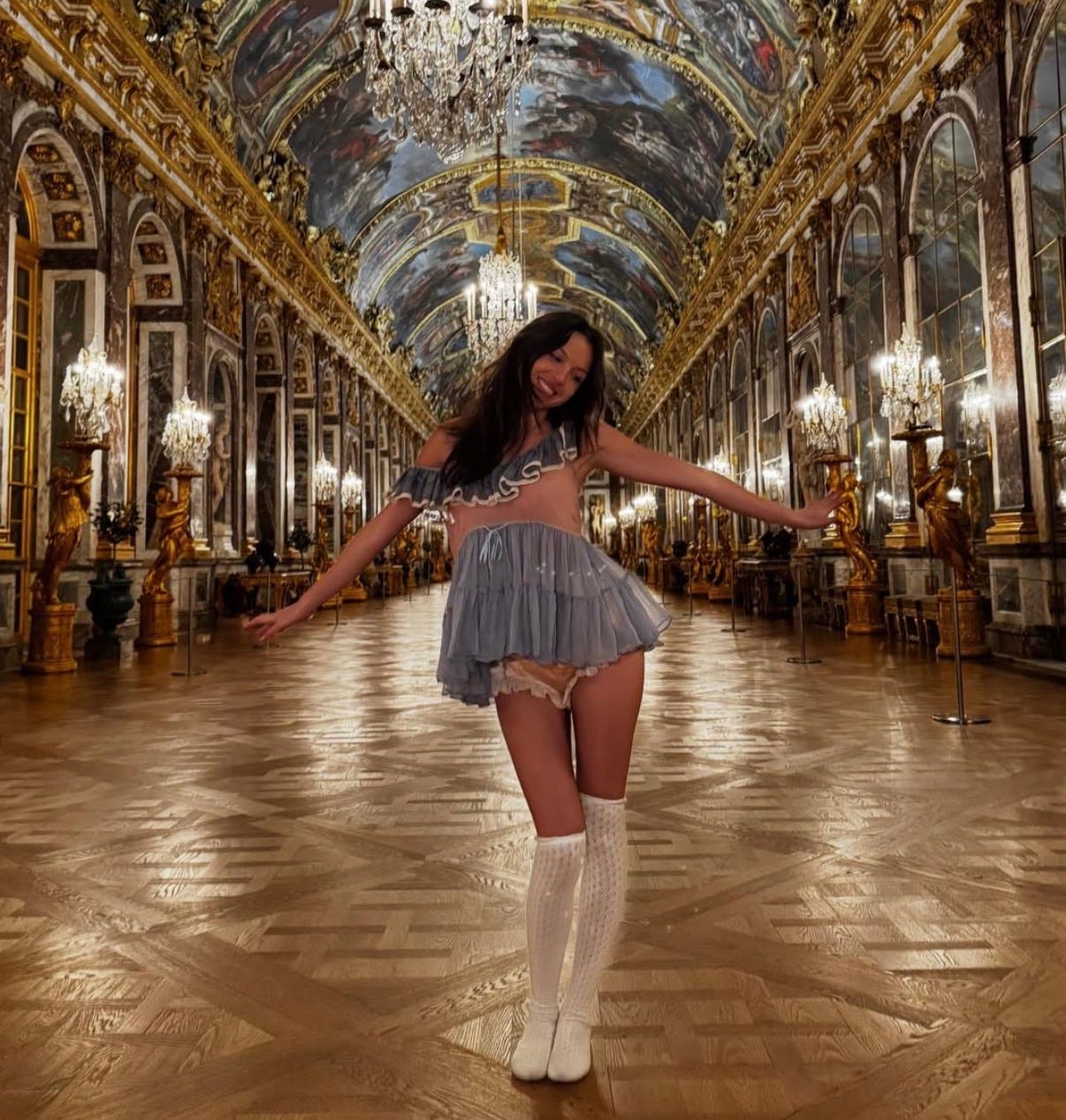
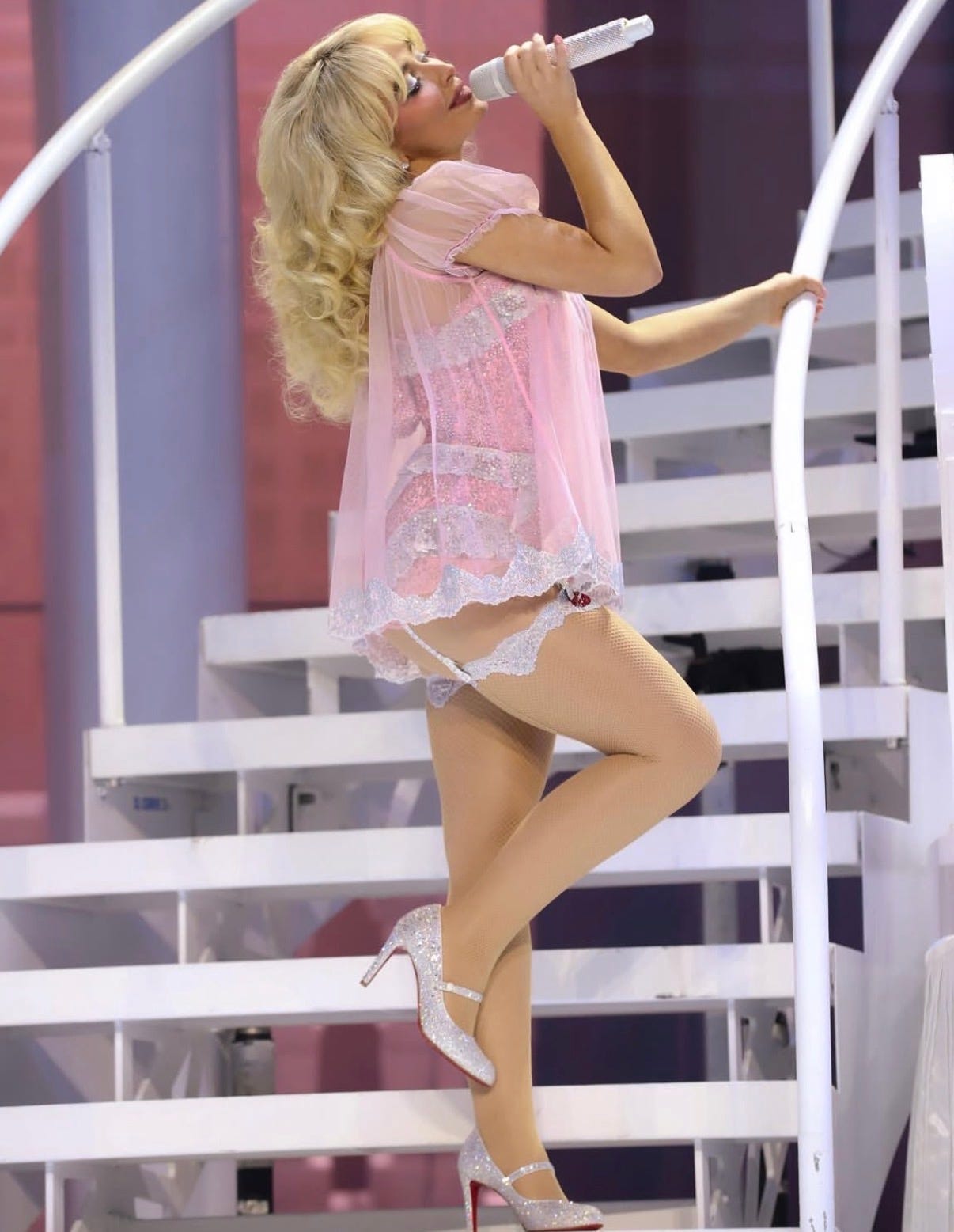
But why is the babydoll sparking up such a controversy?
The silhouette, known for its empire waist and short hemline, originated in the 1940s as a response to fabric shortages in WWII. Initially, it was designed strictly for nightwear that felt tasteful with a touch of sexy.
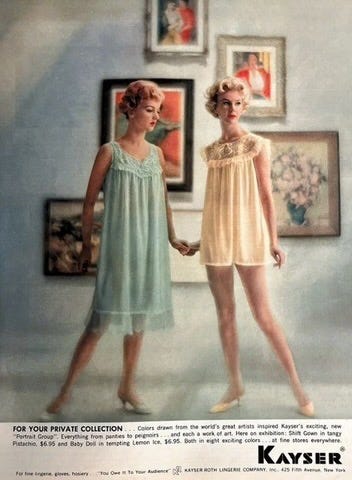
Then came 1956.
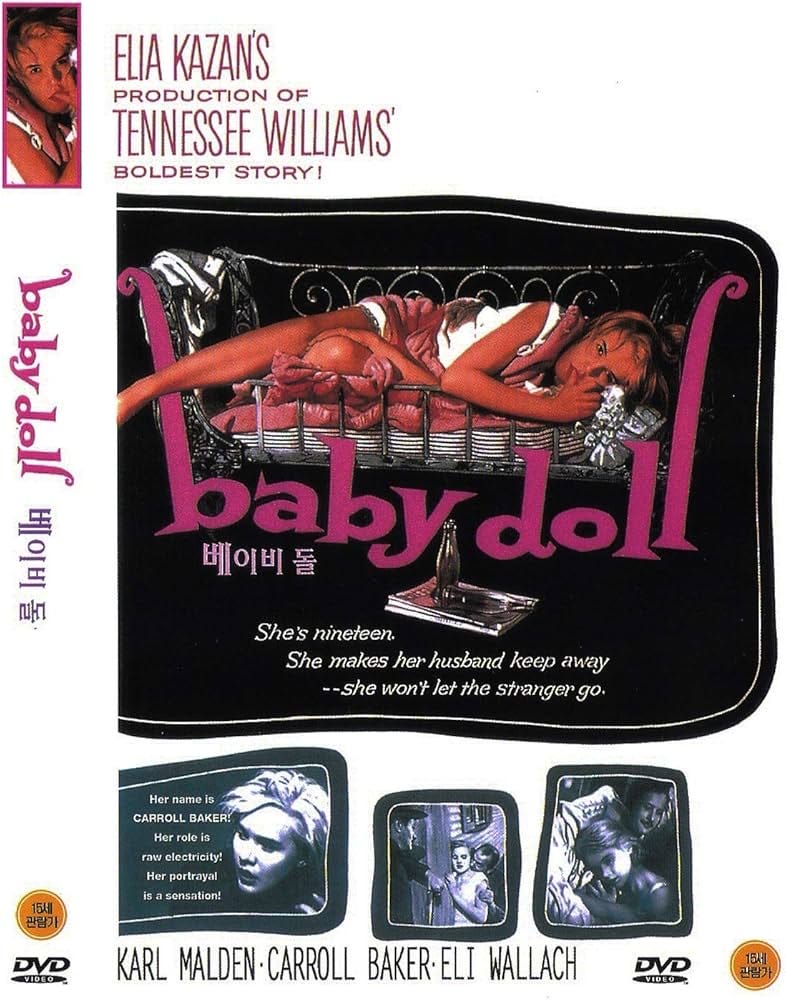
The controversial award winning black comedy Baby Doll, starring Carroll Baker, tells the story of a childlike teenage bride arranged to marry a much older business man who is struggling in the cotton gin industry. Its infamous poster displayed Baker sucking her thumb in a crib, the scandalous film received intense backlash from Hollywood.
Rightfully so, the sexualization of youth and innocence is deeply inappropriate and unacceptable.
Because of these associations, the babydoll dress has carried controversy. But overtime, its meaning evolved.
The Babydoll dress has since had a controversial reputation due to these connections, but its symbolism for female liberation developed.
Through the swinging 60s and grunge filled 90s, women reclaimed the babydoll as ready to wear fashion rather than a dress confined to the bedroom. Across every era, the aesthetic maintained its playful hyperfeminine energy, one often mistaking this for women choosing to over sexualize themselves.
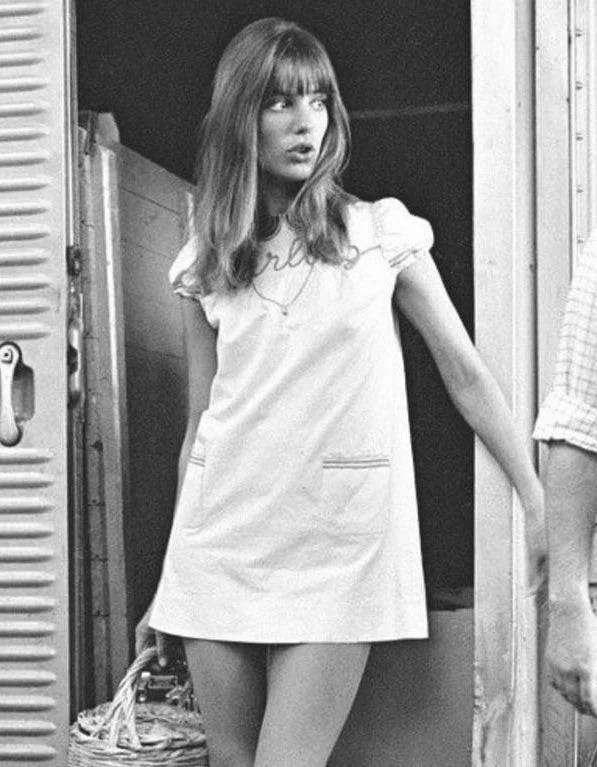
There's a difference between dressing like a child and dressing like a woman in the face of the patriarchy.
Creator, Rosie Okotcha, recently powerful stated: "Hyper femininity does not equal submission to the patriarchy."
I couldn’t agree more.
The babydoll isn't going anywhere.
Get yours today at skylarrayne.com